
Proofreaders and First Editions
Every book, however humble or unsuccessful, has a first edition. Often it is the first and only edition. One printing was enough. Or in most cases more than enough. Print a thousand, pulp or remainder six hundred. Publishing is a tough unpredictable business. Most books lose money. Why do it? Well, because one in five titles does well and keeps the publisher solvent and back in the race. Trouble is, even the best publishers can’t predict the stars and the dogs.
Collecting first editions is a great hobby if you have the time and the money. You also need expertise or you may lose your shirt. Like all areas of life which money attracts, villains and rogues also stalk the wings. So beware. Many book dealers are honest and great amateurs in the best sense: they love books and are fascinated by the trade. But beware. Get a second opinion before parting with a month’s rent for a book which is “a sure-fire investment”. They rarely are.
Strangely, bad proofreading can have huge upward impact on the value of a first edition. A couple of examples will show you how.
Harry Potter and the Deathly Profits
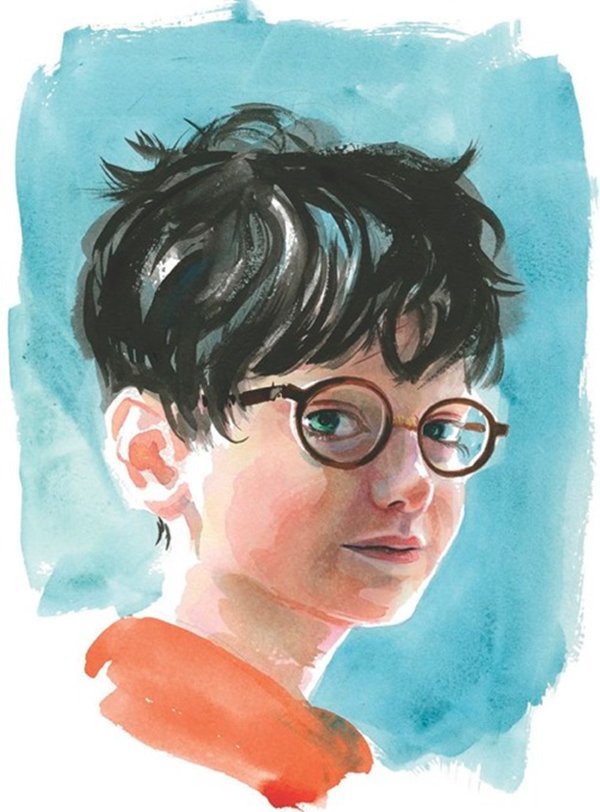 The first of JK Rowling’s Harry Potter stories, Harry Potter and the Philosopher’s Stone, was published in 1997. We all know the tale. Rejection after rejection visited poor Joanne. Then a small press took her on and printed a modest 500 copies. And, yes, in the first edition she was styled Joanne Rowling on the title page!
And there was a lovely typo on the back cover: philospher’s.
Three hundred copies went to libraries. Only two hundred were sold before a second run and the author became JK Rowling and the typo was corrected. Poor proofreader!
Recently, one of those two hundred sold for £150,000, including the little proofreading error!
Another, in very poor condition, was rescued by a teacher from a school skip. Even in a battered state it made £33,000.
The last of the Harry Potter novels was published in 2007: Harry Potter and the Deathly Hallows.
The author signed 1,700 copies at its launch in the Natural History Museum. Each of those is now worth thousands. You stand more chance of finding one of these, but still a very slim one. It could be a great boost to your freelance proofreading income.
Jane Hits the Jackpot
We all know that poor Jane Austen began by self-publishing. Secretly working away, she would raise a wry smile if she knew what a first edition of Pride and Prejudice could command 200 years later: £140,000! Think how many fireplaces that would have bought even at Rosings Park. How Mr Collins could have boasted at such expense. Elizabeth could have bought her own Pemberley without the bother of having to marry the dreadful Darcy!
But the real shocker is Austen’s unfinished novel, untouched by a proofreader, The Watsons. £993,250. And we’ll never know whether the main characters tied the knot.
Search Your Bins and Attics!
Strange world, isn’t it? First editions often bear errors. No proofreader is perfect. The second edition will iron out the glitches or a revised reprint will do the job. A perfect book, no transposed letters, no spelling mistakes, no apostrophes loitering annoyingly in plurals… but it’s the first edition, warts and all, which has the auction house agog. Who wants a second edition, or the fifteenth reprint of Ulysses or Jane Eyre? The tiny proofreading errors, the inconsistencies which a decent copy-editor would have spotted will be gone, but so will the crazy price tag which the imperfect first edition bears.
Not all first editions will make you rich or even buy a bottle of plonk. But many are worth in the low hundreds. Why not do some research? And before investing please get plenty of advice.